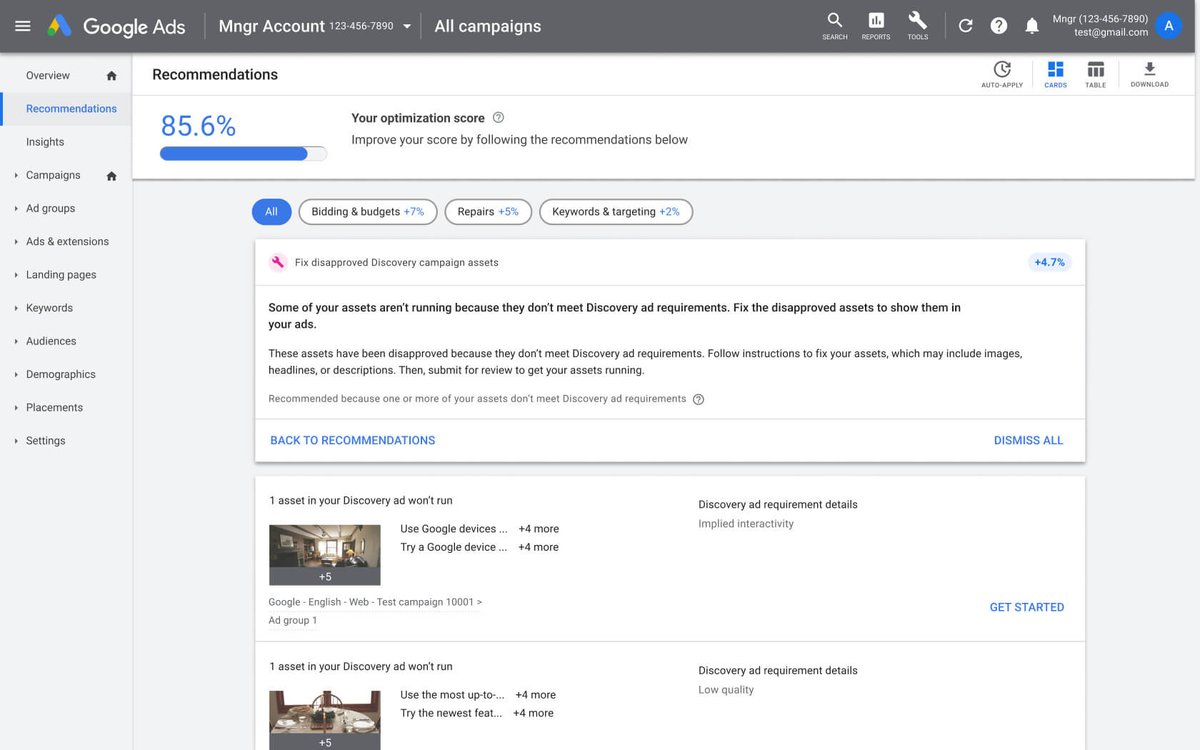
In today's oversaturated digital landscape, simply creating great content isn't enough. The true differentiator lies in how effectively that content finds its audience. This is where Content Discovery & Recommendations step in, transforming passive browsing into active engagement by delivering the right message to the right person at the precise moment they need it. It’s the engine that filters out the noise, anticipates user needs, and delivers tailored experiences, ensuring your valuable content doesn't just exist but truly thrives.
Think of it as having an intelligent concierge for the internet, one that knows your preferences, predicts your interests, and introduces you to new articles, videos, or products you’ll genuinely appreciate—even before you realize you're looking for them. This isn't about content creation; it's about intelligent distribution, making your digital strategy infinitely more impactful.
At a Glance: What You'll Learn
- Understanding the Core: How algorithms and machine learning power personalized content experiences.
- Big Benefits: Why content discovery is crucial for boosting engagement, traffic, and revenue.
- Essential Toolkit: A breakdown of the best tools, from free aggregators to advanced AI platforms.
- Smart Strategies: Practical steps for exploring content, analyzing competitors, and optimizing your approach.
- Navigating Challenges: Addressing technical hurdles, privacy concerns, and ethical considerations.
- The Road Ahead: Future trends shaping content discovery, from advanced AI to AR/VR.
- Putting It into Practice: A step-by-step guide to implementing content discovery in your business.
The Invisible Hand: How Content Discovery Works Its Magic
Content discovery isn't accidental; it's a sophisticated science. At its heart lies the ability to find and consume new, relevant, and personalized content without active searching. This process leverages advanced algorithms, machine learning (ML), and vast amounts of user data to cut through the digital clutter and deliver precisely what a user needs or wants.
Core Mechanics Behind the Curtain
Modern content discovery engines are engineering marvels. They constantly learn and adapt, ensuring recommendations grow more accurate over time.
- Algorithms & Data Analysis: Imagine a super-powered detective analyzing every click, like, share, time spent, and search history across millions of users. These complex algorithms process this immense behavioral data to build detailed user profiles. The goal? To predict what content will be most relevant and engaging to you next.
- Machine Learning Models: These are the brains of the operation. Machine learning models continuously refine their understanding of user preferences. They identify intricate patterns and emerging trends, allowing them to adapt to evolving interests and deliver dynamic recommendations. The more data they process, the smarter they become.
- Recommendation Systems: This is where the magic becomes visible.
- Collaborative Filtering: "People like you also liked this." This system recommends content based on the shared behaviors and preferences of similar users. If you and hundreds of others enjoyed a certain article, the system will recommend other articles those "similar" users also engaged with.
- Content-Based Filtering: "You liked that, so you'll like this." This method recommends content that shares characteristics with what you’ve previously interacted with. If you read several articles on sustainable living, it will suggest more articles on eco-friendly practices or renewable energy.
- Hybrid Systems: The best of both worlds. Most advanced platforms combine collaborative and content-based filtering to deliver enhanced accuracy and overcome the limitations of each individual approach. This ensures a broader yet highly relevant set of recommendations.
- Personalization Techniques: Beyond basic filtering, personalization takes user experience to the next level. This involves creating detailed user profiles, adjusting recommendations based on real-time context (like time of day, location, or device), and integrating social and behavioral signals (what your friends are sharing, what's trending in your demographic).
Why Smart Businesses Invest in Content Discovery
The benefits of a robust content discovery strategy extend far beyond simply getting more eyeballs on your content. They fundamentally transform how users interact with your brand, driving measurable growth and a significant competitive edge.
- Enhanced User Engagement & Retention: Personalized content isn't just seen; it's experienced. When recommendations resonate deeply, users spend more time on your platform, interact more frequently, and feel a stronger connection to your brand. This heightened satisfaction fosters loyalty and significantly improves retention rates.
- Increased Traffic & Visibility: Effective content discovery acts as a powerful magnet. By recommending your content to a broader, yet highly relevant audience, you attract potential customers who might never have found you through traditional search or direct navigation. It expands your reach naturally and efficiently.
- Improved Content ROI: You invest heavily in creating high-quality content. Content discovery ensures that investment pays off by delivering the right content to the right audience at the right time. This maximizes the return on your content investments, preventing valuable assets from getting lost in the digital ether.
- Streamlined Operations & Efficiency: Imagine reducing the manual effort of content curation and market research. Automated content discovery tools provide data-driven insights that optimize your marketing strategies, allowing your team to focus on creativity and high-impact tasks rather than tedious manual research.
- Competitive Advantage: In a crowded marketplace, superior user experience is a key differentiator. By offering highly personalized and innovative content recommendations, you can stand out from competitors, building a loyal audience that keeps coming back for more.
- Increased Sales & Revenue: The ultimate goal for many businesses. Targeted content recommendations can drive cross-selling and upselling opportunities. By suggesting related products or services that align with a user's discovered content, you directly influence conversion rates and boost overall revenue. Want to see some examples of this in action? You can always View my watchlist for successful strategies.
Your Toolkit for Content Exploration: Types of Discovery Tools
Navigating the content landscape requires the right instruments. From basic aggregation to advanced competitive intelligence, the tools you choose will dictate the depth and breadth of your discovery efforts.
Broad Categories of Discovery Tools:
- Aggregation Websites: These platforms curate high-quality content by experts within specific niches. They're excellent for staying updated on industry trends and discovering authoritative voices. A prime example is Alltop, which hand-picks top stories across numerous categories.
- RSS Feeds: For those who prefer to prioritize new content from chosen sources, RSS (Really Simple Syndication) feeds remain invaluable. Tools like Feedly allow you to subscribe to blogs, news sites, and publications, ensuring you never miss a beat from your favorite content creators.
- Content Marketing Tools: These are the powerhouses for serious content strategists. They offer advanced features like sophisticated content curation, in-depth competitor monitoring, social media tracking, and content gap analysis. Platforms like BuzzSumo exemplify this category, providing deep insights into what content performs best.
A Simple Guide to Effective Content Exploration
Before you dive into the vast ocean of content, equip yourself with a clear strategy. Effective content exploration isn't just about finding; it's about finding wisely.
- Determine Your Budget: Tools range from free to premium. Start by assessing your financial capacity. Free options like Feedly or Google Alerts are great for getting started, while enterprise solutions like BuzzSumo or Ahrefs offer competitive advantages that justify their higher cost for serious players.
- Understand Your Target Audience: This is foundational. What problems do they face? What questions do they ask? What truly interests them? Focus your discovery efforts on content that provides solutions and resonates with their core needs and aspirations.
- Analyze Your Competition: Keep a close eye on what your competitors are publishing, how their content is performing, and which topics they're dominating. This insight can reveal content gaps you can fill or successful strategies you can adapt and improve upon.
- Optimize SEO Content Planning: Content discovery isn't just for consumption; it's for creation. Use discovered insights to structure your own content for improved visibility and engagement. Identify keywords, trending topics, and popular formats that will help your content rank higher and attract more organic traffic.
- Experiment with Different Features: Don't set it and forget it. Most content discovery tools offer a wealth of filter settings, adaptive AI features, and customization options. Play around with them. Optimize your process by testing different search parameters, content types, and notification preferences to find what works best for your specific goals.
The 17 Best Content Discovery Tools in 2026
The market for content discovery tools is robust and constantly evolving. Here's a curated list of top contenders, designed to help you unearth valuable insights and stay ahead of the curve.
- Feedly: More than just an RSS reader, Feedly is a highly customizable platform that allows you to aggregate news and articles from your chosen sources. Its A.I. search capabilities can even track brand mentions across the web, making it a powerful monitoring tool.
- Pocket: Ideal for casual reading and research, Pocket lets you save articles, videos, and web pages for later consumption. It syncs across devices, perfect for those moments when you stumble upon something interesting but don't have time to read it immediately.
- Alltop: Think of Alltop as a "digital magazine rack" curated by humans. It aggregates top stories from a wide array of quality sources across hundreds of topics, offering a quick way to discover high-quality, relevant articles without diving deep into individual sites.
- Scoop.it: A content curation platform with a strong social element. Scoop.it allows users to create themed "magazines" by curating content from across the web, adding their own insights, and sharing with their audience, fostering collaboration and thought leadership.
- ContentGems: This tool provides real-time content analysis using machine learning. While it excels at monitoring broad topics and industries, it’s particularly useful for quickly identifying emerging trends across a wide range of sources.
- Google Alerts: A free, indispensable tool for tracking specific keywords. Set up alerts for your brand, competitors, industry news, or trending topics, and Google will send email notifications whenever new content matching your criteria appears online.
- Content Studio: This comprehensive platform not only searches for content from social media, blogs, and news sites but also integrates social media management features, allowing you to discover, curate, and share content all from one dashboard.
- Flipboard: A visually appealing platform that transforms news and social content into personalized digital magazines. Its "Smart Magazines" learn your preferences, offering a highly intuitive and engaging discovery experience.
- BuzzSumo: Often considered the best for content discovery despite its higher cost, BuzzSumo identifies the most popular content across the web, uncovers influential voices, and highlights content gaps. It offers deep insights into trending content metrics and topic analysis.
- Ahrefs: Primarily an SEO tool, Ahrefs offers a powerful "Content Gap" analysis feature. This allows you to identify keywords that your competitors rank for, but you don't, providing valuable ideas for new content that can drive traffic.
- SEMRush: Another SEO powerhouse, SEMRush provides robust topic research capabilities, content optimization suggestions, and competitive content strategy insights. It's excellent for understanding what content is performing well in your niche.
- AnswerThePublic: A visually engaging tool that takes a keyword and instantly generates a cloud of questions and phrases people are searching for. It's a goldmine for understanding audience concerns and generating long-tail content ideas.
- TweetHunter (formerly TweMex): For real-time social insights, TweetHunter helps you discover trending Twitter topics, hashtags, and influencers relevant to your niche, allowing you to tap into current conversations.
- Reddit: Often overlooked as a formal discovery tool, Reddit is a treasure trove of deep audience insights. By observing popular questions, discussions, and highly upvoted content within specific "Subreddits," you can understand what truly resonates with niche communities.
- Quora: A question-and-answer platform that serves as a goldmine for content inspiration. Look for unanswered questions or top posts related to your industry to reverse-engineer content ideas that directly address audience needs.
- Hootsuite: Beyond its social media management features, Hootsuite offers a "Content Library" for curation and a content suggestion feature that helps you find relevant articles to share with your audience.
- Buffer: This social media management tool includes a "Content Inbox" for aggregating articles, a browser extension for easy saving, and "Top Posts" insights to show you which shared content performed best.
Navigating the Roadblocks: Challenges in Content Discovery
While the benefits are clear, implementing and managing content discovery systems isn't without its hurdles. Understanding these challenges is key to developing robust and ethical strategies.
- Technical Challenges:
- Complex Integration: Merging new discovery systems with existing IT infrastructure can be a daunting task, requiring significant development resources.
- Scalability & Performance: Processing and analyzing vast amounts of user data in real-time requires scalable systems that can handle high traffic and maintain fast response times.
- Algorithmic Complexity: Developing and continuously refining effective algorithms that accurately predict user preferences and deliver relevant content is a highly specialized and ongoing effort.
- User Experience Challenges:
- Relevance & Accuracy: The holy grail of content discovery is delivering spot-on recommendations. Maintaining high relevance and accuracy, especially as user preferences evolve, is a constant battle.
- Avoiding "Filter Bubbles": While personalization is good, excessive filtering can lead to "filter bubbles," where users are only exposed to content that reinforces existing beliefs. Balancing personalization with diverse content exposure is crucial to prevent monotony and bias.
- Human Oversight: Automation is powerful, but human oversight remains essential to catch algorithmic errors, ensure quality, and infuse a nuanced understanding that machines might miss.
- Privacy and Ethical Considerations:
- Protecting User Data: With great data comes great responsibility. Ensuring compliance with regulations like GDPR and CCPA, and rigorously protecting user privacy, is paramount.
- Avoiding Algorithmic Bias: Algorithms are only as unbiased as the data they're trained on. Without careful design and monitoring, they can perpetuate or even amplify existing biases, leading to unfair or exclusionary recommendations.
- Transparency & Accountability: Users deserve to understand why certain content is being recommended to them. Maintaining transparency in algorithmic processes and holding systems accountable for their recommendations is crucial for trust.
- Operational & Strategic Challenges:
- Initial Investment & Maintenance: Building or integrating advanced content discovery systems requires a significant upfront investment in technology, talent, and ongoing maintenance.
- Strategic Alignment: Discovery efforts must align seamlessly with overall business goals. They shouldn't be a siloed initiative but an integrated part of your broader content and marketing strategy.
- Balancing Short-term vs. Long-term: The temptation for quick wins can sometimes overshadow the need for sustainable, long-term strategies that build genuine user loyalty and brand reputation.
- Content Quality & Diversity:
- Curating High-Quality Content: The effectiveness of recommendations hinges on the quality of the content itself. Ensuring that only valuable, credible content is discovered and promoted is a continuous challenge.
- Preventing Saturation & Monotony: If everyone is discovering the same few pieces of content, it leads to saturation. Promoting diverse content ensures a richer experience and prevents users from feeling they're seeing the same things repeatedly.
- Keeping Up with Technological Advancements: The digital landscape evolves at a blistering pace. Regularly adapting to new technologies, algorithms, and shifting user expectations is an ongoing requirement to stay competitive.
Glimpse into Tomorrow: Future Trends in Content Discovery
The future of content discovery is bright, dynamic, and increasingly intelligent. Here's what's on the horizon:
- Advanced AI & Machine Learning: Expect hyper-personalization to reach new levels. AI will drive dynamic adaptation to real-time contexts and predictive analytics that anticipate user needs even before they become conscious desires.
- Multi-Modal Content Discovery: The lines between content types will blur. We'll see seamless cross-platform integration and unified content ecosystems that allow for discovery across text, audio, and video with unprecedented fluidity.
- Voice & Visual Search: Voice assistants will become even more sophisticated discovery agents, and visual search technologies will transform how we find content by simply pointing our cameras at objects or scenes.
- Ethical & Transparent AI: As AI becomes more pervasive, there will be a strong focus on bias mitigation, ethical data usage, and "explainable AI," where users can understand why specific recommendations are made. Greater user control over recommendations will also become standard.
- Contextual & Situational Awareness: Recommendations will adapt dynamically to more than just past behavior. They'll consider location, time of day, current mood, device being used, and real-time user activity to deliver ultra-relevant suggestions.
- Integration of Emerging Technologies: Keep an eye on blockchain for decentralized control and transparency in content provenance, and augmented reality (AR) and virtual reality (VR) for immersive content discovery experiences.
- Sustainability & Social Responsibility: Content discovery systems may increasingly prioritize eco-friendly recommendations or highlight content that drives social impact, aligning with growing consumer values.
Implementing Content Discovery in Your Business: A Step-by-Step Guide
Ready to harness the power of content discovery? Here’s a practical roadmap to get you started and keep you moving forward.
- Understand Your Audience Deeply:
- Conduct Thorough Research: Go beyond demographics. Delve into psychographics, motivations, and pain points.
- Analyze User Behavior: Use analytics tools to track how users currently interact with your content. What do they click on? How long do they stay? What do they ignore?
- Create Detailed User Personas: Develop rich, actionable profiles of your ideal users to guide your discovery strategy.
- Choose the Right Tools & Technologies:
- Define Your Goals: What do you hope to achieve? Increased engagement, higher conversions, better content ROI?
- Assess Technical Requirements: Do you need simple aggregation or a complex, integrated recommendation engine? Consider your existing tech stack.
- Compare Solutions: Evaluate the 17 tools listed earlier (and others) against your budget, features needed, and ease of use.
- Consider Custom Development: For highly unique needs or large-scale operations, a bespoke solution might be the best long-term investment.
- Leverage Advanced Technologies:
- Deploy AI/ML Algorithms: Integrate or develop systems that learn from user data to personalize recommendations.
- Explore Voice/Visual Search: If relevant to your product or service, begin experimenting with these emerging discovery modes.
- Consider AR/VR: For truly immersive experiences, especially in sectors like retail or education, start thinking about how these could transform discovery.
- Create High-Quality, Relevant Content:
- Produce Valuable Content: No discovery system can rescue poor content. Focus on creating material that genuinely informs, entertains, or solves problems.
- Ensure Consistency: Regular, high-quality output keeps your audience engaged and provides continuous data for your discovery algorithms.
- Optimize for SEO & User Experience: Even with discovery, good SEO practices improve initial visibility, and a great UX keeps users consuming more.
- Integrate Across Multiple Platforms:
- Consistent Delivery: Ensure a seamless and consistent content discovery experience across your website, mobile app, social media channels, and email newsletters.
- Promote Content & Encourage UGC: Actively promote your best content and foster user-generated content, which can be a powerful source for discovery and social proof.
- Measure and Optimize Performance Continuously:
- Track Key Metrics: Monitor engagement rates (clicks, shares, time on page), conversion rates, and overall ROI from your discovery efforts.
- Utilize A/B Testing: Experiment with different recommendation algorithms, layouts, and content types to see what performs best.
- Refine Strategies with Data: Use the insights gained from your analytics to continuously refine and improve your content discovery strategy, ensuring it adapts to changing user behavior and market trends.
Beyond the Scroll: Shaping a Smarter Digital Future
Content Discovery & Recommendations are no longer a luxury; they are a strategic imperative for any business aiming to thrive in the digital age. By thoughtfully implementing these systems, you're not just distributing content; you're cultivating meaningful connections, building loyal audiences, and driving sustainable growth. The future belongs to those who don't just create great content, but who empower it to find its way directly into the hands—and hearts—of those who need it most. It's about making the digital world a little more human, one relevant recommendation at a time.